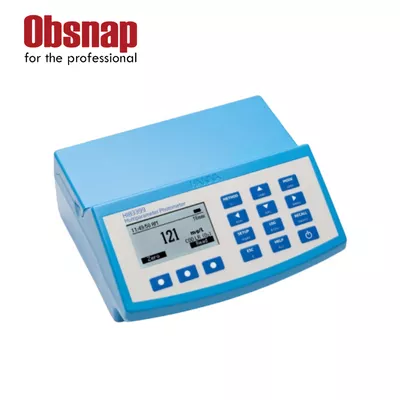
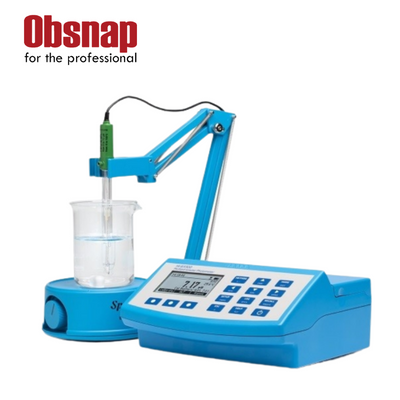
Description
pH
| pH Range | Photometer: 6.5 to 8.5 pH pH electrode: -2.00 to 16.00 pH |
|---|---|
| pH Resolution | Photometer: 0.1 pH pH electrode: 0.01 pH |
| pH Accuracy | Photometer: ±0.1 pH pH electrode: ±0.01 pH |
| pH Calibration | Automatic one or two point calibration with one set of standard buffers available (4.01, 6.86, 7.01, 9.18, 10.01) |
| pH Temperature Compensation | Automatic (-5.0 to 100.0 oC; 23.0 to 212.0 oF); limits reduced based on the pH electrode used |
| pH CAL Check (electrode diagnostics) | clean electrode and check buffer/check probe displayed during calibration |
| pH Method | Photometer: phenol red |
| pH-mV Range | ±1000 mV |
| pH-mV Resolution | 0.1 mV |
| pH-mV Accuracy | ±0.2 mV |
Oxygen, Dissolved
| Oxygen, Dissolved Range | 0.0 to 10.0 mg/L (as O2) |
|---|---|
| Oxygen, Dissolved Resolution | 0.1 mg/L |
| Oxygen, Dissolved Accuracy | ±0.4 mg/L ±3% of reading |
| Oxygen, Dissolved Method | Adaptation of the Standard Methods for the Examination of Water and Wastewater, 18th edition, Azide modified Winkler method |
Absorbance
| Absorbance Range | 0.000 to 4.000 Abs |
|---|---|
| Absorbance Resolution | 0.001 Abs |
| Absorbance Accuracy | +/-0.003Abs @ 1.000 Abs |
Alkalinity
| Alkalinity Range | Freshwater: 0 to 500 mg/L (as CaCO3) Seawater: 0 to 300 mg/L (as CaCO3) |
|---|---|
| Alkalinity Resolution | 1 mg/L |
| Alkalinity Accuracy | ±5 mg/L ±5% of reading |
| Alkalinity Method | Colorimetric method |
Aluminum
| Aluminum Range | 0.00 to 1.00 mg/L (as Al3+) |
|---|---|
| Aluminum Resolution | 0.01 mg/L |
| Aluminum Accuracy | ±0.04 mg/L ±4% of reading |
| Aluminum Method | Adaptation of the aluminon method |
Ammonia
| Ammonia Range | Low Range: 0.00 to 3.00 mg/L Low Range (16 mm vial): 0.00 to 3.00 mg/L Medium Range: 0.00 to 10.00 mg/L High Range: 0.0 to 100.0 mg/L High Range (16 mm vial): 0.0 to 100.0 mg/L (all as NH3-N) |
|---|---|
| Ammonia Resolution | Low and Medium Range: 0.01 mg/L High Range: 0.1 mg/L |
| Ammonia Accuracy | Low Range: ±0.04 mg/L ±4% of reading Low Range (16 mm vial): ±0.10 mg/L or ±5% of reading Medium Range: ±0.05 mg/L ±5% of reading High range: ±0.5 mg/L ±5% of reading High range (16 mm vial): ±1 mg/L or ±5% of reading |
| Ammonia Method | Adaptation of the ASTM Manual of Water and Environmental Technology, D1426-92, Nessler method |
Anionic Surfactants
| Anionic Surfactants Range | 0.00 to 3.50 mg/L (as SDBS) |
|---|---|
| Anionic Surfactants Resolution | 0.01 mg/L |
| Anionic Surfactants Accuracy | ±0.04 mg/L ±3% of reading |
| Anionic Surfactants Method | Adaptation of the USEPA method 425.1 and Standard Methods for the Examination of Water and Wastewater, 20th edition, 5540C, Anionic Surfactants as MBAS |
Bromine
| Bromine Range | 0.00 to 8.00 mg/L (as Br2) |
|---|---|
| Bromine Resolution | 0.01 mg/L |
| Bromine Accuracy | ±0.08 mg/L ±3% of reading |
| Bromine Method | Adaptation of the Standard Methods for the Examination of Water and Wastewater, 18th edition, DPD method. |
Calcium
| Calcium Range | Freshwater: 0 to 400 mg/L (as Ca2+) Seawater: 200 to 600 mg/L (as Ca2+) |
|---|---|
| Calcium Resolution | 1 mg/L |
| Calcium Accuracy | Freshwater: ±10 mg/L ±5% of reading Seawater: ±6% of reading |
| Calcium Method | Freshwater: Adaptation of the Oxalate method Seawater: Adaptation of the Zincon method |
Chemical Oxygen Demand
| Chemical Oxygen Demand Range | Low Range: 0 to 150 mg/L Medium Range: 0 to 1500 mg/L High Range:0 to 15000 mg/L |
|---|---|
| Chemical Oxygen Demand Resolution | 1 mg/L |
| Chemical Oxygen Demand Accuracy | Low Range: ±5 mg/L ±4% of reading Medium Range: ±15 mg/L ±4% of reading High Range: ±150 mg/L ±2% of reading |
| Chemical Oxygen Demand Method | Adaptation of the USEPA 410.4 ISO dichromate methods Mercury-free dichromate green method (LR & MR); dichromate method (HR) |
Chloride
| Chloride Range | 0.0 to 20.0 mg/L (as Cl⁻) |
|---|---|
| Chloride Resolution | 0.1 mg/L |
| Chloride Accuracy | ±0.5 mg/L ±6% of reading at 25 °C |
Chlorine Dioxide
| Chlorine Dioxide Range | 0.00 to 2.00 mg/L (as ClO2) |
|---|---|
| Chlorine Dioxide Resolution | 0.01 mg/L |
| Chlorine Dioxide Accuracy | ±0.10 mg/L ±5% of reading |
| Chlorine Dioxide Method | Adaptation of the Chlorophenol Red method. |
Chlorine
| Free Chlorine Range | 0.00 to 5.00 mg/L (as Cl2) Ultra Low Range: 0.000 to 0.500 mg/L (as Cl2) |
|---|---|
| Free Chlorine Resolution | 0.01 mg/L Ultra Low Range: 0.001 mg/L |
| Free Chlorine Accuracy | ±0.03 mg/L ±3% of reading Ultra Low Range: ±0.020 mg/L ±3% of reading |
| Total Chlorine Range | 0.00 to 5.00 mg/L (as Cl2) Ultra Low Range: 0.000 to 0.500 mg/L (as Cl2) Ultra High Range: 0 to 500 mg/L (as Cl2) |
| Total Chlorine Resolution | 0.01 mg/L Ultra Low Range: 0.001 mg/L Ultra High Range:1 mg/L |
| Total Chlorine Accuracy | ±0.03 mg/L ±3% of reading Ultra Low Range: ±0.020 mg/L ±3% of reading Ultra High Range: ±3 mg/L ±3% of reading |
| Chlorine Method | Adaptation of the EPA 330.5 DPD method Free Chlorine (ULR) & Total Chlorine (UHR): Adaptation of the Standard Methods for Examination of Water and Wastewater, 20th edition, 4500-Cl |
Chromium, Hexavalent
| Chromium, Hexavalent Range | Low Range: 0 to 300 μg/L (as Cr6+) High Range: 0 to 1000 μg/L (as Cr6+) |
|---|---|
| Chromium, Hexavalent Resolution | 1 μg/L |
| Chromium, Hexavalent Accuracy | Low Range: ±1 μg/L ±4% of reading High Range: ±5 μg/L ±4% of reading |
| Chromium, Hexavalent Method | Adaptation of the ASTM Manual of Water and Environmental Technology, D1687-92, Diphenylcarbohydrazide method. |
Color, Water
| Color, Water Range | 0 to 500 PCU (Platinum Cobalt Units) |
|---|---|
| Color, Water Resolution | 1 PCU |
| Color, Water Accuracy | ±10 PCU ±5% of reading |
| Color, Water Method | Adaptation of the Standard Methods for the Examination of Water and Wastewater, 18th edition, Colorimetric Platinum Cobalt method. |
Copper
| Copper Range | Low Range: 0.000 to 1.500 mg/L (as Cu2+) High range: 0.00 to 5.00 mg/L (as Cu2+) |
|---|---|
| Copper Resolution | 0.001 mg/L; 0.01 mg/L |
| Copper Accuracy | Low Range: ±0.01 mg/L ±5% of reading High Range ±0.02 mg/L ±4% of reading |
| Copper Method | Adaptation of the EPA bicinchoninate method |
Cyanuric Acid
| Cyanuric Acid Range | 0 to 80 mg/L (as CYA) |
|---|---|
| Cyanuric Acid Resolution | 1 mg/L |
| Cyanuric Acid Accuracy | ±1 mg/L ±15% of reading |
| Cyanuric Acid Method | Adaptation of the turbidimetric method |
Fluoride
| Fluoride Range | Low Range: 0.00 to 2.00 mg/L (as F-) High range: 0.0 to 20.0 mg/L (as F-) |
|---|---|
| Fluoride Resolution | 0.01 mg/L; 0.1 mg/L |
| Fluoride Accuracy | Low Range: ±0.03 mg/L ±3% of reading High Range: ±0.5 mg/L ±3% of reading |
| Fluoride Method | Adaptation of the Standard Methods for the Examination of Water and Wastewater, 18th edition, SPADNS method |
Hardness, Total
| Hardness, Total Range | Low Range: 0 to 250 mg/L (as CaCO3) Medium Range: 200 to 500 mg/L (as CaCO3) High Range: 400 to 750 mg/L (as CaCO3) |
|---|---|
| Hardness, Total Resolution | 1 mg/L |
| Hardness, Total Accuracy | Low Range: ±5 mg/L ±4% of reading Medium Range: ±7 mg/L ±3% of reading High Range: ±10 mg/L ±2% of reading |
| Hardness, Total Method | Adaptation of the EPA recommended method 130.1 |
Hardness, Calcium
| Hardness, Calcium Range | 0.00 to 2.70 mg/L (as CaCO3) |
|---|---|
| Hardness, Calcium Resolution | 0.01 mg/L |
| Hardness, Calcium Accuracy | ±0.11 mg/L ±5% of reading |
| Hardness, Calcium Method | Adaptation of the Standard Methods for the Examination of Water and Wastewater, 18th edition, Calmagite method |
Hardness, Magnesium
| Hardness, Magnesium Range | 0.00 to 2.00 mg/L (as CaCO3) |
|---|---|
| Hardness, Magnesium Resolution | 0.01 mg/L |
| Hardness, Magnesium Accuracy | ±0.11 mg/L ±5% of reading |
| Hardness, Magnesium Method | Adaptation of the Standard Methods for the Examination of Water and Wastewater, 18th edition, EDTA Colorimetric method |
Hydrazine
| Hydrazine Range | 0 to 400 μg/L (as N2H4) |
|---|---|
| Hydrazine Resolution | 1 μg/L |
| Hydrazine Accuracy | ±4% of full scale reading |
| Hydrazine Method | Adaptation of the ASTM Manual of Water and Environmental Technology, method D1385-88, p-Dimethylaminobenzaldehyde method |
Iodine
| Iodine Range | 0.0 to 12.5 mg/L (as I2) |
|---|---|
| Iodine Resolution | 0.1 mg/L |
| Iodine Accuracy | ±0.1 mg/L ±5% of reading |
| Iodine Method | Adaptation of the Standard Methods for the Examination of Water and Wastewater, 18th edition, DPD method |
Iron
| Iron Range | Low Range: 0.000 to 1.600 mg/L (as Fe) High Range: 0.00 to 5.00 mg/L (as Fe) |
|---|---|
| Iron Resolution | 0.001 mg/L; 0.01 mg/L |
| Iron Accuracy | Low Range: ±0.01 mg/L ±8% of reading High Range: ±0.04 mg/L ±2% of reading |
| Iron Method | Low Range: Adaptation of the TPTZ Method High Range: Adaptation of the EPA Phenanthroline method 315B, for natural and treated waters |
Magnesium
| Magnesium Range | 0 to 150 mg/L (as Mg2+) |
|---|---|
| Magnesium Resolution | 1 mg/L |
| Magnesium Accuracy | ±5 mg/L ±3% of reading |
| Magnesium Method | Adaptation of the Calmagite method |
Manganese
| Manganese Range | Low Range: 0 to 300 μg/L (as Mn) High Range: 0.0 to 20.0 (as Mn) |
|---|---|
| Manganese Resolution | 1 μg/L; 0.1 mg/L |
| Manganese Accuracy | Low Range: ±10 μg/L ±3% of reading High Range: ±0.2 mg/L ±3% of reading |
| Manganese Method | Low Range: Adaptation of the PAN Method High Range: Adaptation of the Standard Methods for the Examination of Water and Wastewater, 18th edition, Periodate method |
Molybdenum
| Molybdenum Range | 0.0 to 40.0 mg/L (as Mo6+) |
|---|---|
| Molybdenum Resolution | 0.1 mg/L |
| Molybdenum Accuracy | ±0.3 mg/L ±5% of reading |
| Molybdenum Method | Adaptation of the mercaptoacetic acid method |
Nickel
| Nickel Range | Low Range: 0.000 to 1.000 mg/L (as Ni) High Range: 0.00 to 7.00 g/L (as Ni) |
|---|---|
| Nickel Resolution | 0.001 mg/L; 0.01 g/L |
| Nickel Accuracy | Low range: ±0.010 mg/L ±7% of reading High Range: ±0.07 g/L ±4% of reading |
| Nickel Method | Low Range: Adaptation of the PAN method High Range: Adaptation of the photometric method |
Nitrate
| Nitrate Range | 0.0 to 30.0 mg/L (as NO3– N) 16 mm vial: 0.0 to 30.0 mg/L (as NO3– N) |
|---|---|
| Nitrate Resolution | 0.1 mg/L |
| Nitrate Accuracy | ±0.5 mg/L ±10% of reading 16 mm vial: ±1.0 mg/L or ±3% of reading |
| Nitrate Method | Adaptation of the cadmium reduction method 16 mm vial: Chromotropic acid method |
Nitrite
| Nitrite Range | Freshwater Low Range: 0 to 600 μg/L (as NO2–N) High Range: 0 to 150 mg/L (as NO2-) Seawater Ultra Low Range: 0 to 200 μg/L (as NO2–N) |
|---|---|
| Nitrite Resolution | Freshwater: 1 μg/L; 1 mg/L Seawater: 1 μg/L |
| Nitrite Accuracy | Freshwater Low Range: ±20 μg/L ±4% of reading High Range: ±4 mg/L ±4% of reading Seawater ±10 μg/L ±4% of reading |
| Nitrite Method | Low Range and Seawater: Adaptation of the EPA Diazotization method 354.1 High Range: Adaptation of the Ferrous Sulfate method |
Nitrogen, Total
| Nitrogen, Total Range | Low Range: 0.0 to 25.0 mg/L (as NO3–N) High Range: 0 to 150 mg/L (as N) |
|---|---|
| Nitrogen, Total Resolution | 0.1 mg/L; 1 mg/L |
| Nitrogen, Total Accuracy | Low Range: ±1.0 mg/L or ±5% of reading High Range: ±3 mg/L or ±4% of reading |
| Nitrogen, Total Method | Chromotropic acid method |
Oxygen, Scavenger
| Oxygen, Scavenger Range | 0 to 1000 μg/L (as DEHA) 0.00 to 1.50 mg/L (as Carbohydrazide) 0.00 to 2.50 mg/L (as Hydroquinone) 0.00 to 4.50 mg/L (as ISO-ascorbic acid) |
|---|---|
| Oxygen, Scavenger Resolution | 1 μg/L (DEHA); 0.01 mg/L |
| Oxygen, Scavenger Accuracy | ±5 μg/L ±5% of reading |
| Oxygen, Scavenger Method | Adaptation of the iron reduction method |
Ozone
| Ozone Range | 0.00 to 2.00 mg/L (as O3) |
|---|---|
| Ozone Resolution | 0.01 mg/L |
| Ozone Accuracy | ±0.02 mg/L ±3% of reading |
| Ozone Method | Colorimetric DPD Method |
Phosphate
| Phosphate Range | Freshwater Low Range: 0.00 to 2.50 mg/L (as PO43-) High range: 0.0 to 30.0 mg/L(as PO43-) Seawater Ultra Low Range: 0 to 200 μg/L (as P) |
|---|---|
| Phosphate Resolution | Freshwater: 0.01 mg/L; 0.1 mg/L Seawater: 1 μg/L |
| Phosphate Accuracy | Freshwater Low Range: ±0.04 mg/L ±4% of reading High Range: ±1 mg/L ±4% of reading Seawater Ultra Low Range: ±5 μg/L ±5% of reading |
| Phosphate Method | Freshwater Low Range: Adaptation of the Ascorbic Acid method Freshwater High Range and Seawater Ultra Low Range: Adaptation of the Standard Methods for the Examination of Water and Wastewater, 18th edition, Amino Acid method |
Phosphorous, Acid Hydrolyzable
| Phosphorous, Acid Hydrolyzable Range | 0.00 to 1.60 mg/L (as P) |
|---|---|
| Phosphorous, Acid Hydrolyzable Resolution | 0.01 mg/L |
| Phosphorous, Acid Hydrolyzable Accuracy | ±0.05 mg/L or ±5% of reading |
| Phosphorous, Acid Hydrolyzable Method | Adaptation of the EPA method 365.2 and Standard Methods for the Examination of Water and Wastewater, 20th edition, 4500-P E, ascorbic acid method |
Phosphorous, Reactive
| Phosphorous, Reactive Range | Low Range: 0.00 to 1.60 mg/L (as P) High Range: 0.0 to 32.6 mg/L (as P) |
|---|---|
| Phosphorous, Reactive Resolution | 0.01 mg/L; 0.1 mg/L |
| Phosphorous, Reactive Accuracy | Low Range: ±0.05 mg/L or ±4% of reading High Range: ±0.5 mg/L or ±4% of reading |
| Phosphorous, Reactive Method | Low Range: Adaptation of Standard Methods for the Examination of Water and Wastewater, 20th edition, ascorbic acid method, and EPA method 365.2 High Range: Adaptation of the vanadomolybdophosphoric acid method. |
Phosphorous, Total
| Phosphorous, Total Range | Low Range: 0.00 to 1.15 mg/L (as P) High Range: 0.0 to 32.6 mg/L (as P) |
|---|---|
| Phosphorous, Total Accuracy | Low Range: ±0.05 mg/L or ±6% of reading High Range: ±0.5 mg/L or ±5% of reading |
| Phosphorous, Total Resolution | Low Range: 0.01 mg/L; 0.1 mg/L |
| Phosphorous, Total Method | Low Range: Adaptation of Standard Methods for the Examination of Water and Wastewater, 20th edition, 4500-P E, ascorbic acid method, and EPA method 365.2 High Range: Adaptation of the vanadomolybdophosphoric acid method |
Potassium
| Potassium Range | 0.0 to 20.0 mg/L (as K) |
|---|---|
| Potassium Resolution | 0.1 mg/L |
| Potassium Accuracy | ±3.0 mg/L ±7% of reading |
| Potassium Method | Adaptation of the Turbidimetric Tetraphenylborate method |
Silica
| Silica Range | Low Range: 0.00 to 2.00 mg/L (as SiO2) High Range: 0 to 200 mg/L (as SiO2) |
|---|---|
| Silica Resolution | 0.01 mg/L; 1 mg/L |
| Silica Accuracy | Low Range: ±0.03 mg/L ±3% of reading High Range: ±1 mg/L ±5% of reading |
| Silica Method | Low Range: Adaptation of the ASTM Manual of Water and Environmental Technology, D859, Heteropoly Molybdenum Blue method High Range: Adaptation of the USEPA Method 370.1 and Standard Method 4500-SiO2 |
Silver
| Silver Range | 0.000 to 1.000 mg/L (as Ag) |
|---|---|
| Silver Resolution | 0.001 mg/L |
| Silver Accuracy | ±0.020 mg/L ±5% of reading |
| Silver Method | Adaptation of the PAN method |
Sulfate
| Sulfate Range | 0 to 150 mg/L (as SO42-) |
|---|---|
| Sulfate Resolution | 1 mg/L |
| Sulfate Accuracy | ±5 mg/L ±3% of reading |
| Sulfate Method | Turbidimetric – Sulfate is precipitated with barium chloride crystals |
Zinc
| Zinc Range | 0.00 to 3.00 mg/L (as Zn) |
|---|---|
| Zinc Resolution | 0.01 mg/L |
| Zinc Accuracy | ±0.03 mg/L ±3% of reading |
| Zinc Method | Adaptation of the Standard Methods for the Examination of Water and Wastewater, 18th edition, Zincon method |
General Meter
| Input Channels | 1 pH electrode input and 5 photometer wavelengths |
|---|---|
| pH Electrode | digital pH electrode (not included) |
| Logging Type | log on demand with user name and sample ID optional input |
| Logging Memory | 1000 readings |
| Connectivity | USB-A host for flash drive; micro-USB-B for power and computer connectivity |
| GLP | calibration data for connected pH electrode |
| Display | 128 x 64 pixel LCD with backlight |
| Battery Type / Life | 3.7 VDC Li-polymer rechargeable battery / >500 photometric measurements or 50 hours of continuous pH measurement |
| Power Supply | 5 VDC USB 2.0 power adapter with USB-A to micro-USB-B cable (included) |
| Environment | 0 to 50.0 oC (32 to 122.0 oF); 0 to 95% RH, non-condensing |
| Dimensions | 206 x 177 x 97 mm (8.1 x 7.0 x 3.8”) |
| Weight | 1.0 kg (2.2 lbs.) |
| Photometer/Colorimeter Light Source | 5 LEDs with 420 nm, 466 nm, 525 nm, 575 nm, and 610 nm narrow band interference filters |
| Photometer/Colorimeter Light Detector | silicon photodetector |
| Bandpass Filter Bandwidth | 8 nm |
| Bandpass Filter Wavelength Accuracy | ±1 nm |
| Cuvette Type | round, 24.6 mm |
| Number of Methods | 128 max. |
| Ordering Information | HI83399 is supplied with sample cuvettes and caps (4 ea.), cloth for wiping cuvettes, USB to micro USB cable connector, power adapter and instruction manual.
*Please note, reagents are not included but can be purchased here. |